Cord Blood For
We transduced CB-derived NK cells with a retroviral vector incorporating the genes for CAR-CD19 IL-15 and inducible caspase-9-based suicide gene iC9. Learn how cord blood stem cells are used to treat lymphoma leukemia sickle cell anemia thalassemia and more.

Cord Blood Banking Should You Do It And Is It Worth The Cost

Fact Checking Pros And Cons Of Cord Blood Banking The Niche
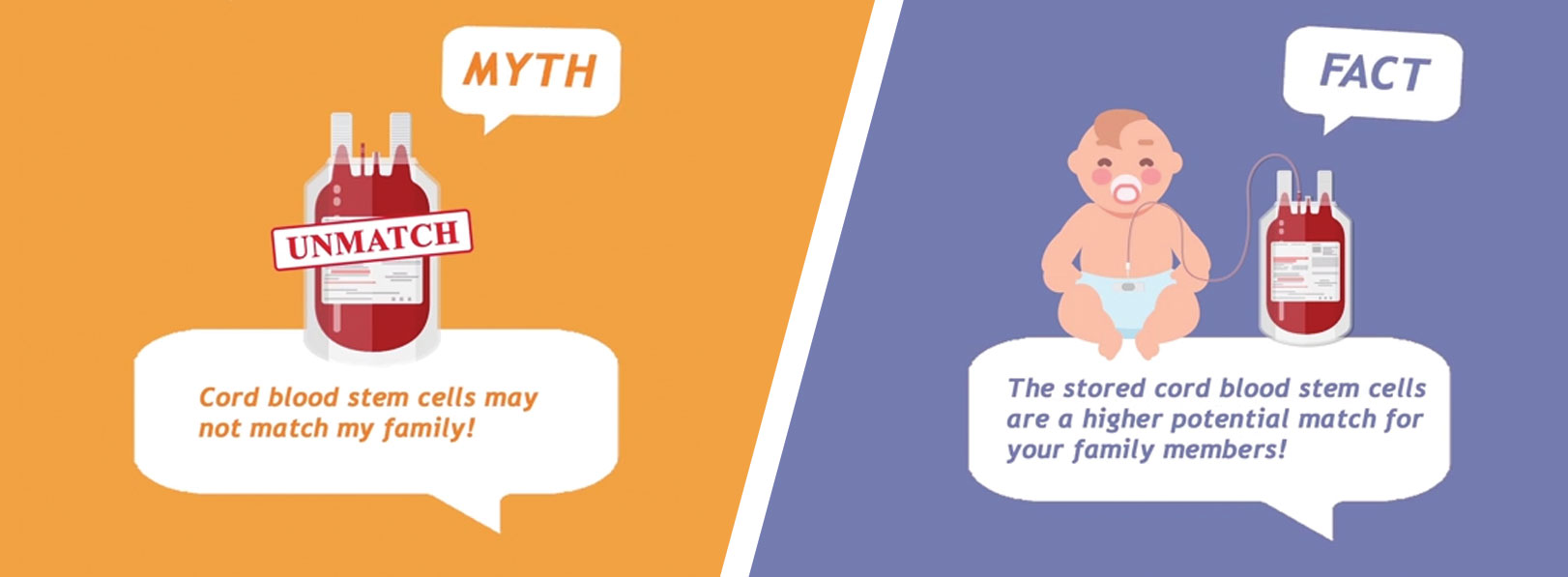
5 Common Myths About Cord Blood Banking Stemcord
Such preserved cord blood is used in medical therapies in the similar fashion as that of stem cells derived from bone marrow.

Cord blood for. 106 Clinical trials Over 200 clinical trials have studied using cord tissue stem cells as a treatment for conditions like Parkinsons heart disease and Alzheimers. Today cord blood stem cells can be used to treat over 80 life-threatening diseases. That one chance is immediately after their birth and therefore this is a decision you need to make during pregnancy so that you can plan accordingly.
PerkinElmer does not endorse or make recommendations. The Arizona Public Cord Blood Program was created in 2011 to advance the collection of cord blood and increase the number of units available for transplantation. This study represents the first reported cord blood tests for 261 of the targeted chemicals and the first reported detections in cord blood for 209 compounds.
About cord blood Discover the power of cord blood why donation is important how you can improve a patients odds of receiving a cure for a life-threatening blood cancer or. Cord tissue banking is the process of collecting the umbilical cord tissue after the cord blood has been collected and cryogenically freezing the stem cells within for potential future medical use. Cord blood stem cells are currently used to treat nearly 80 diseases including leukemia lymphoma anemia and inherited metabolic disorders.
The blood that remains in the umbilical cord after birth is rich in newborn stem cells and additional stem cells can be found in the tissue of the umbilical cord and placenta. Cord blood banking is the practice of preserving blood from the umbilical cord for future use. Cord blood is rich in hematopoietic stem cells which give rise to all the other blood cells.
Cord Blood Tissue. This life-giving opportunity only happens at the time of birth and offers a powerful medical resource in combating devastating. Cord blood is composed of all the elements found in whole blood red blood cells white blood cells plasma platelets.
Cord blood is the blood left in the umbilical cord and placenta immediately after your baby is born. Cord blood stem cells have been used in more than 40000 transplants around the world to regenerate healthy blood and immune systems. The third trimester of pregnancy is the time to learn about cord blood banking.
A cord blood bank is a facility which stores umbilical cord blood for future use. Cord blood is the blood from the baby that is left in the umbilical cord and placenta after birth. Cord blood and tissue banking is the process of safely and securely storing the blood within your newborns umbilical cord as well as the tissue from the cord itself.
One large vein carrying oxygenated blood from the mother to the fetus and two much smaller arteries carrying deoxygenated blood that is relatively rich in carbon dioxide and other metabolic waste products from the fetus to the mother. Type 1 diabetes cerebral palsy and autism. The use of cord blood is determined by the treating physician and is influenced by many factors including the patients medical condition the characteristics of the sample and whether the cord blood should come from the patient or an appropriately matched donor.
Compared to whole blood some differences in the blood composition exist for example cord blood contains higher numbers of natural killer cells lower absolute number of T-cells and a higher proportion of immature T-cells. Banking cord blood does not guarantee that treatment will work and only a doctor can determine when it can be used. Stem cells are immature cells that can assume.
It can be collected stored and used to treat a wide variety of diseases and medical conditions. When it comes to cord tissue banking its important to understand how the umbilical cord tissue tissue is processed and stored as it varies among cord tissue services. Welcome to the official World Cord Blood Day 2021 website.
Cord blood gas analysis is an objective measure of the fetal metabolic condition at the time of delivery. Cord tissue stem cells have not been used in treatment yet. Cord blood holds exciting potential in regenerative medicine cellular therapy and g.
Here is the most important thing you need to know. Cord blood CB offers an attractive allogeneic off-the-self source of NK cells for immunotherapy. Cord blood banking is a process of collecting potentially life-saving stem cells from the umbilical cord and placenta and storing them for future use.
By determining fetal acid-base status it helps identify infants at risk for neonatal encephalopathy. The umbilical cord blood of these 10 children collected by Red Cross after the cord was cut harbored pesticides consumer product ingredients and wastes from burning coal gasoline and garbage. Pregnancy and Cord Blood Banking.
Cord blood and cord tissue are rich in powerful stem cells and can only be collected at birth for potential future use. Pathological acidosis reflects significant fetal distress due to hypoxic stress. The umbilical cord contains three blood vessels.
Umbilical cord blood becomes a very rich source of stem cells. It contains special cells called hematopoietic stem cells that can be used to treat some types of diseases. The cord blood and cord tissue from your babys umbilical cord are very powerful and you only have one chance to store them for future use.
Toward the end of term maternal-fetal cell transfer takes place to better the immune system of both baby and mother thereby preparing both for labor. Umbilical cord blood or cord blood refers to the blood that stays inside the placenta and umbilical cord after delivery. Public cord blood banks accept donations to be used for anyone in need and as such function like public blood.
Stem cells can be used now for medical treatments and there is an expanding range of new therapies being researched that anticipate using cord blood and tissue in the future eg. These cells are the foundation of our bodys immune system. 16000 of these are suitable for clinical transplant whilst the remainder are available for research into new cell therapies.
The bank has over 22000 cord blood units banked from mothers who have generously donated cord blood taken from the placenta and umbilical cord after the birth of a baby which otherwise would have been discarded. Cord blood stem cells are also proving critical to new areas of regenerative medicine to potentially treat spinal cord injuries cerebral palsy autism Type 1 diabetes and much more. Both private and public cord blood banks have developed in response to the potential for cord blood in treating diseases of the blood and immune systems.
Faqs

Is Cord Blood Banking Necessary

Cord Blood Stem Cells An Untapped Resource Cord Blood Pregnancy
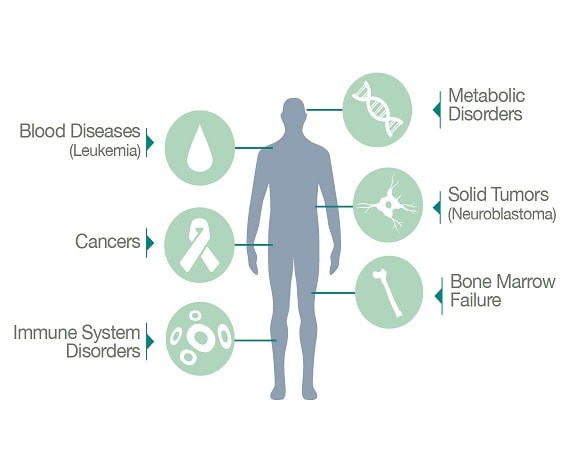
What Is Cord Blood And Cord Blood Banking Cryo Cell

Could Umbilical Cord Blood Provide Hope For Children With Autism Today
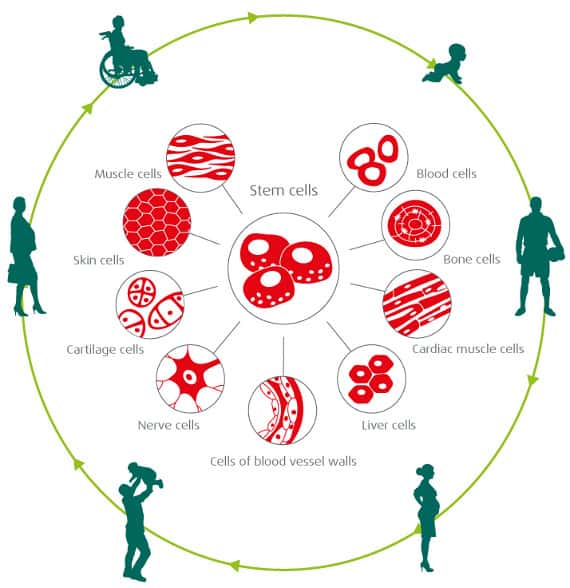
Umbilical Cord Blood Precaution For A Whole Life Vita 34

Banking A Baby S Cord Blood May Save Their Life Is It Worth It New Scientist
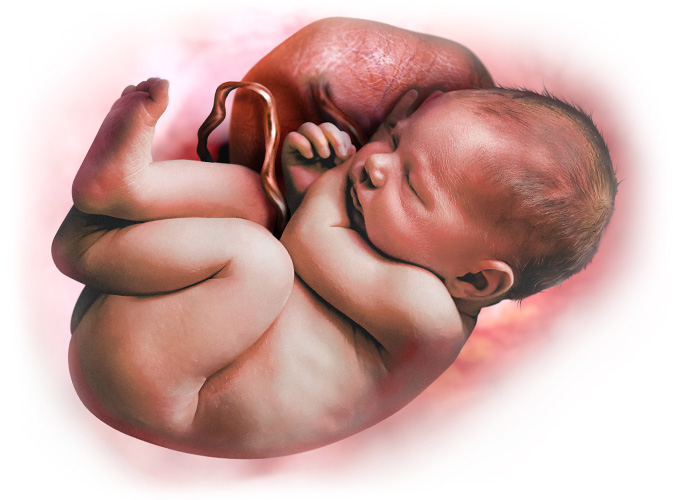
Home Page Cord Blood Center Group


